Our Activities
Skill Development Initiatives
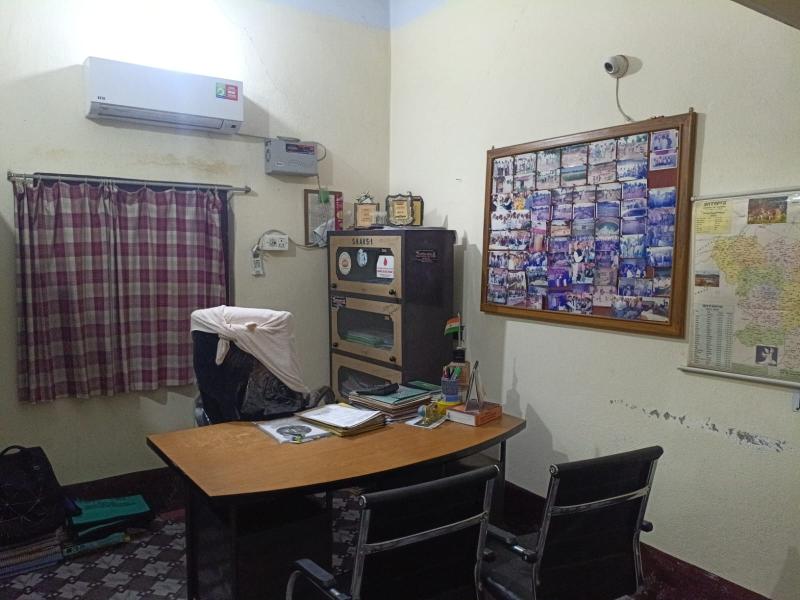
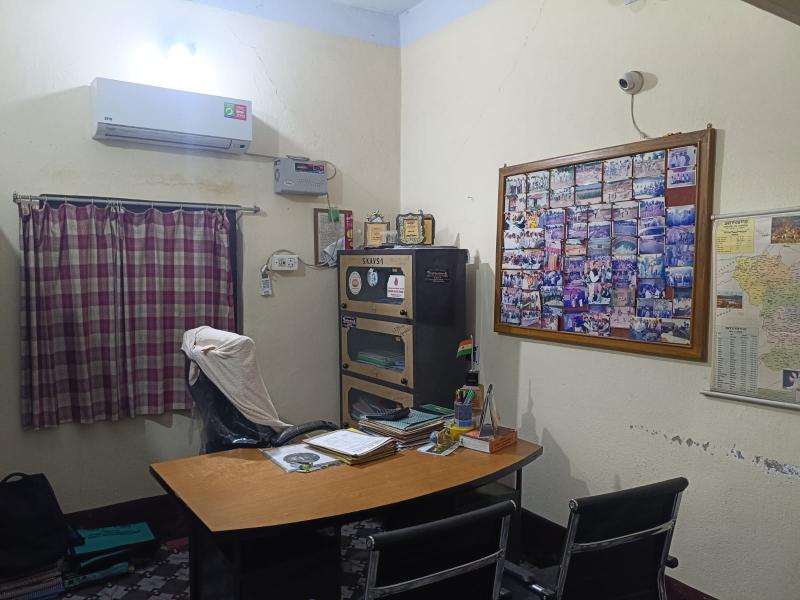
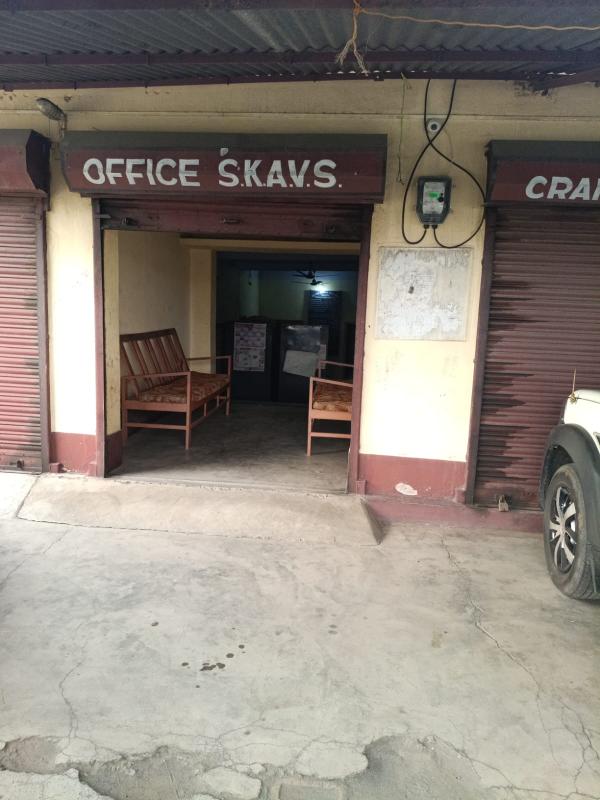
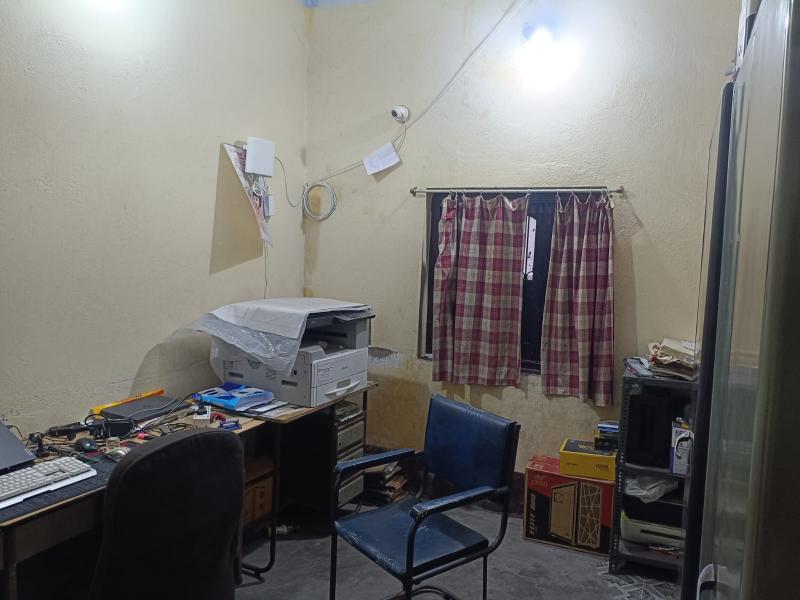
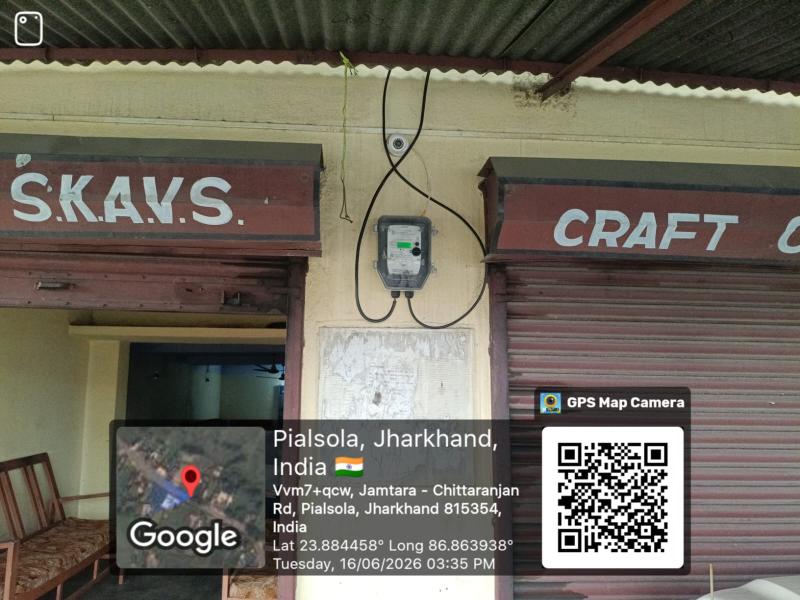
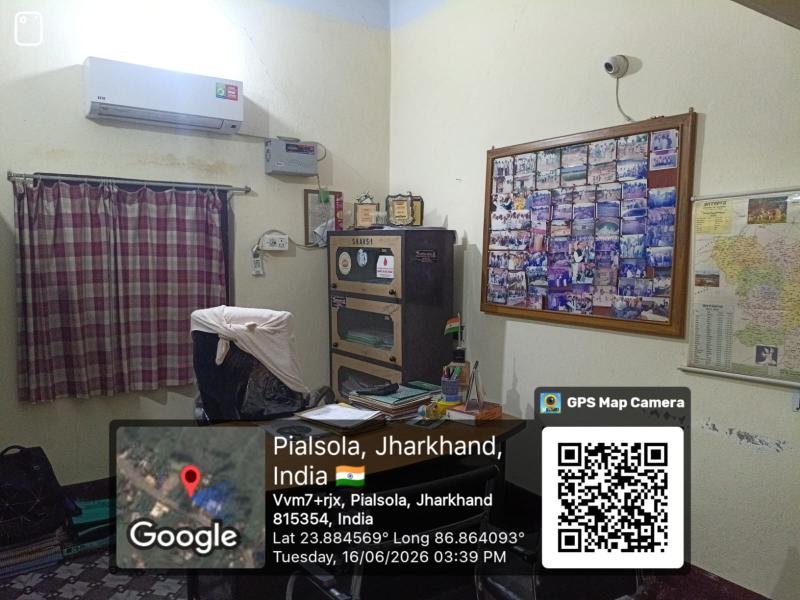
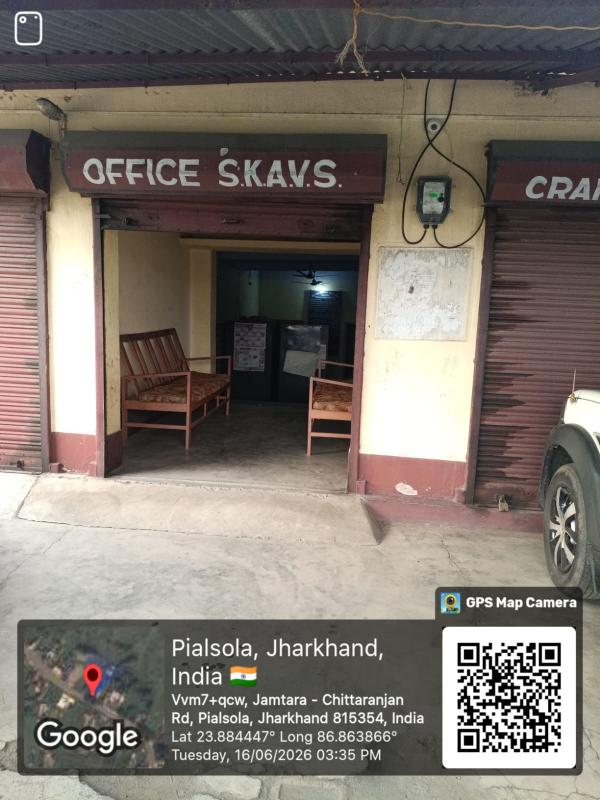
Sidho Kanhu Alpasankhyak Vikash Samiti (SKAVS) is actively engaged in implementing various skill development initiatives across Jharkhand with the objective of enhancing employability and promoting self-reliance among youth.
The organization is currently operating Pradhan Mantri Kaushal Kendra (PMKK) training programs at the following locations:
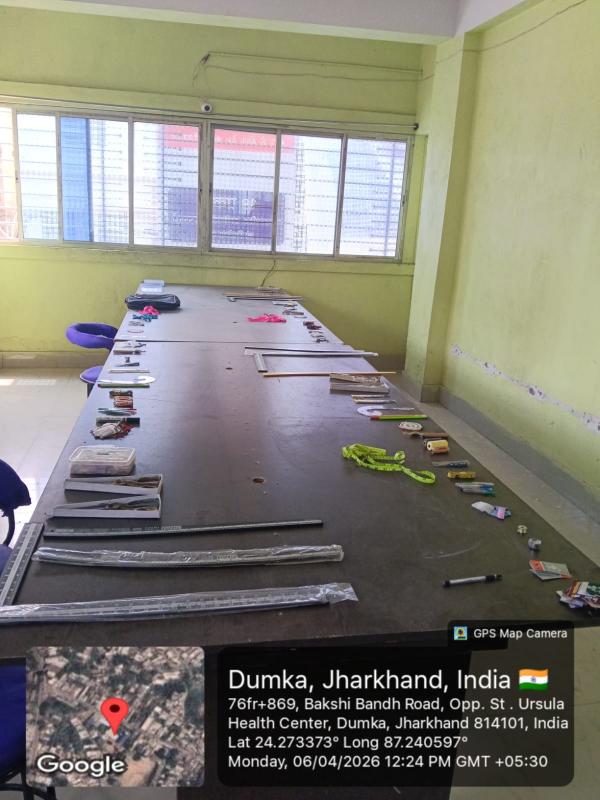
- Bakshibandh Road, Dumka
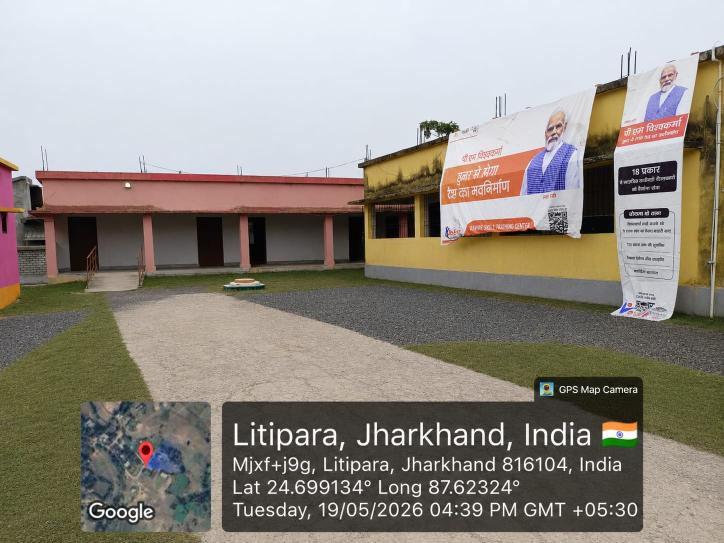
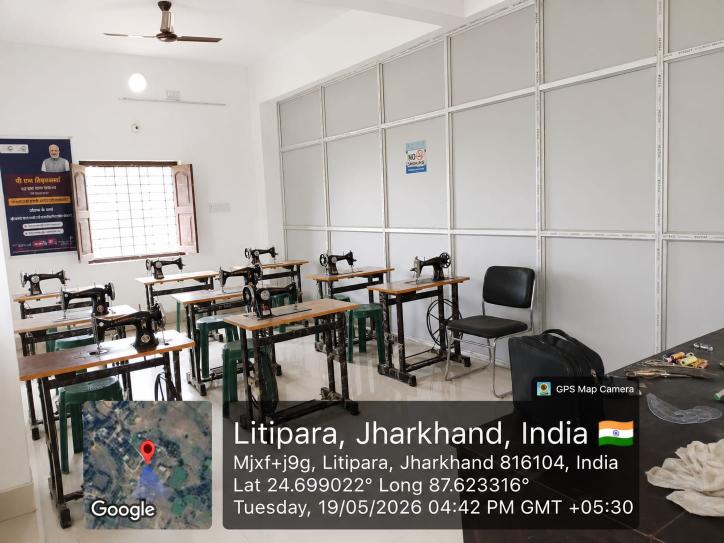
- CHC Centre, Littipara, Pakur
- Piasola, Mihijam, Jamtara
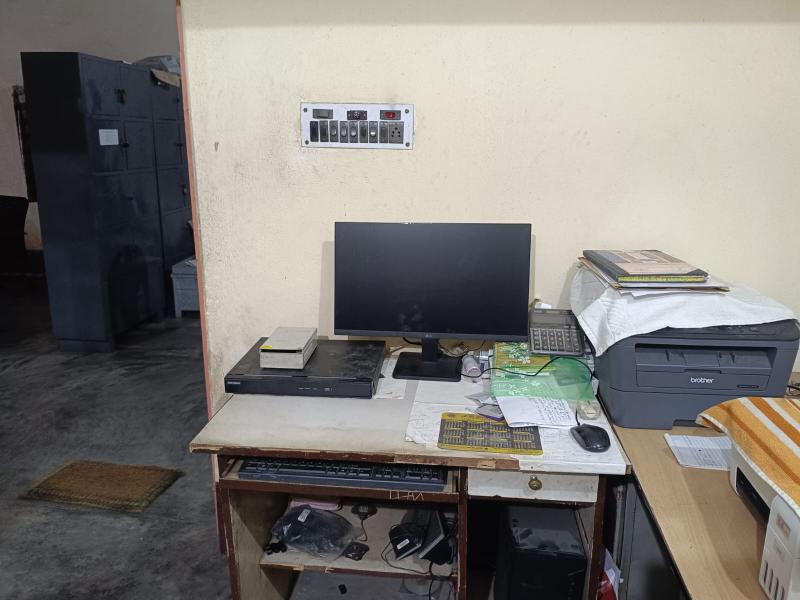
These PMKK centres are equipped with the necessary infrastructure, qualified trainers, and training facilities to deliver industry-relevant skill development programs in accordance with the guidelines of the National Skill Development Corporation (NSDC) and Skill India Mission.
In addition to PMKK, Sidho Kanhu Alpasankhyak Vikash Samiti is also implementing the PM Vishwakarma Scheme at all the above-mentioned locations. The scheme focuses on providing skill upgradation, entrepreneurship support, and financial inclusion opportunities to traditional artisans and craftspeople, enabling them to improve their livelihoods and access better market opportunities.
The organization is presently conducting both PMKK and PM Vishwakarma training programs simultaneously, maintaining an average training strength of 120 candidates at each centre. Through these initiatives, the centres collectively cater to a substantial number of beneficiaries, ensuring quality training, practical exposure, assessment support, and placement-linked opportunities.
By operating these programs in parallel, SKAVS continues to contribute significantly towards skill development, employment generation, and socio-economic empowerment of youth and traditional artisans across the districts of Dumka, Pakur, and Jamtara in Jharkhand.

Community Empowerment Program
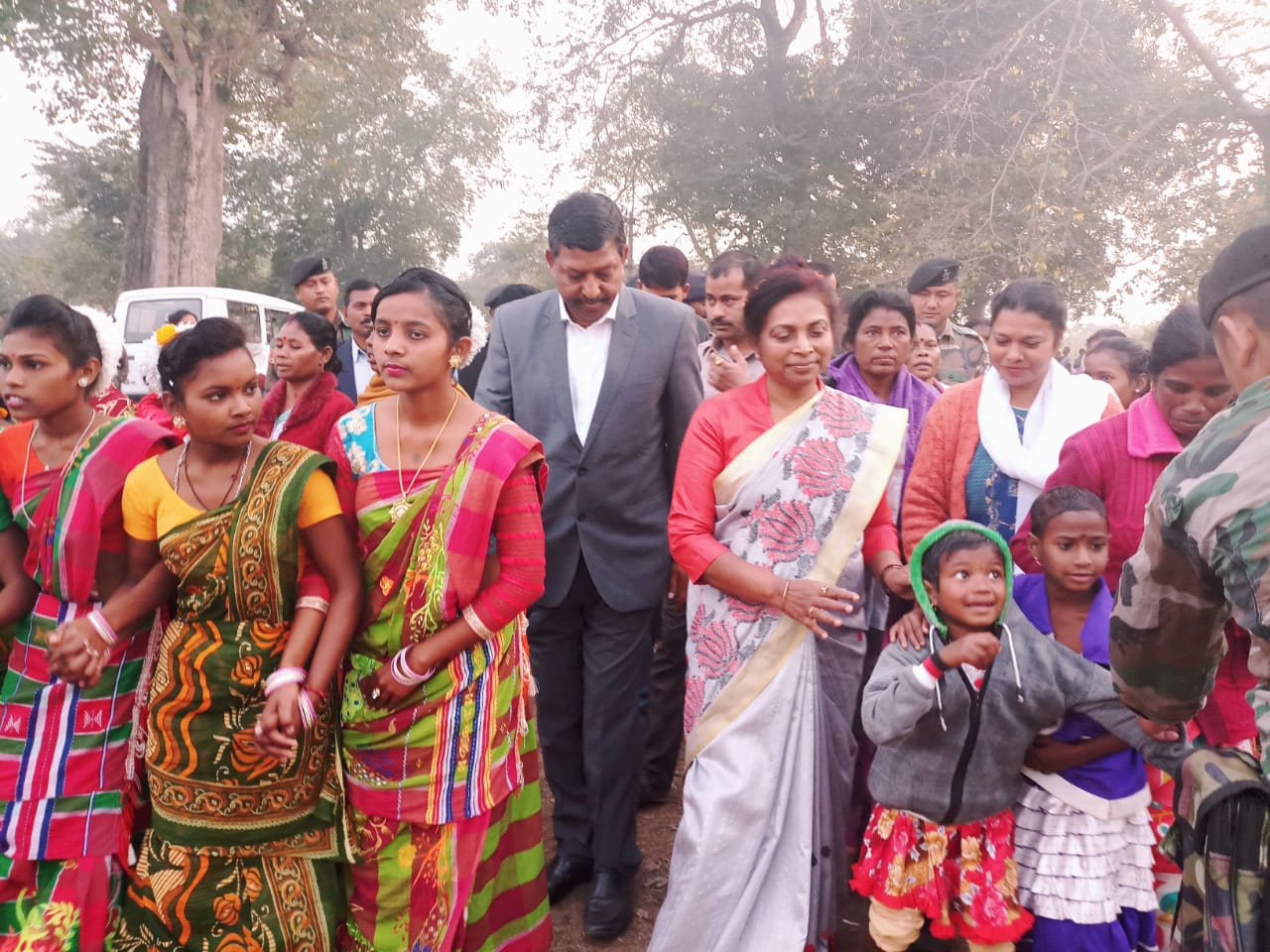
Mobilizing women members to form self-help groups has been a strategy to engage with women and work on the economic and social empowerment of women in the villages. Currently, many non-government and government organizations are also forming SHGs. Therefore to avoid overlap; GV focuses on mobilizing women members who have not been included previously. Periodic training sessions on the roles and responsibilities of members, bookkeeping and record maintenance are arranged. Linkage with banks and support for livelihood generating enterprise form the regular work with SHG members. Straw craft, raising nurseries, vegetable cultivation, petty vending, collective marketing, managing of public distribution system, poultry, goat rearing and leaf-plate making form some of the enterprises taken up by members of SHGs.
Promotion of Local Self-Governance in Rural Areas
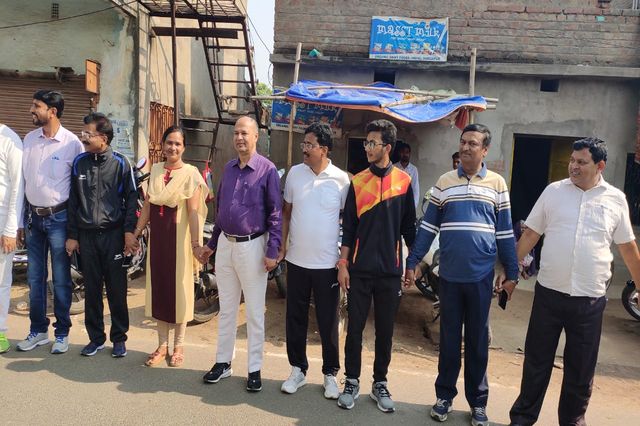
Building awareness among citizens and increasing participation in the process of local self-governance has been a major activity of S.K.A.V.S. Initiatives were taken by the social workers and volunteers of S.K.A.V.S. to hold regular discussions with people and conduct training programs on Panchayats Raj at village and Panchayats levels. Keeping in view the newly defined role of women in Panchayati Raj system, special care is taken to ensure maximum participation of women in the process of self-governance. Here it can be mentioned that the PRI is yet to be implemented in Jharkhand.
Mobilization of Rural Areas (Community)
S.K.A.V.S. lays emphasis on building of community infrastructure required for agriculture, social forestry, education, community organization, etc. through collective initiatives. From time to time work camps are organized to build check-dams and irrigation structures. If people contribute to their labour, S.K.A.V.S. provides the necessary material and financial support. Major infrastructure building activities undertaken in the operational villages include the development of community centers; check dams, irrigation tanks, village roads and other communication links with the help of government and other development agencies.
Preservation of Tribal Culture
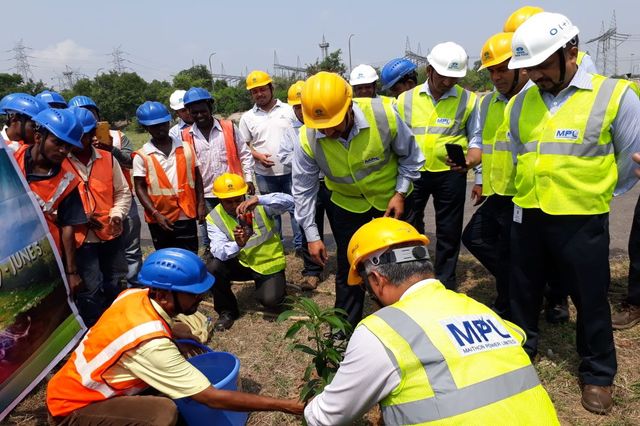
The action projects of S.K.A.V.S. in the tribal areas strive hard to re-energize local cultures and traditions. Local idiom and cultural practices systematically inform the social mobilization efforts of S.K.A.V.S. Constant efforts are made at the field sites to employ the tribal culture, traditional practices, and the local idiom to generate amongst people awareness on current issues. Each tribal development project has its own cultural groups that play an important role in social mobilization. These groups stage street plays, dramas, and other programs on the themes of poverty alleviation, alcoholism, child rights, women empowerment, and thereby spread awareness on development issues.
Natural Resource Management Program
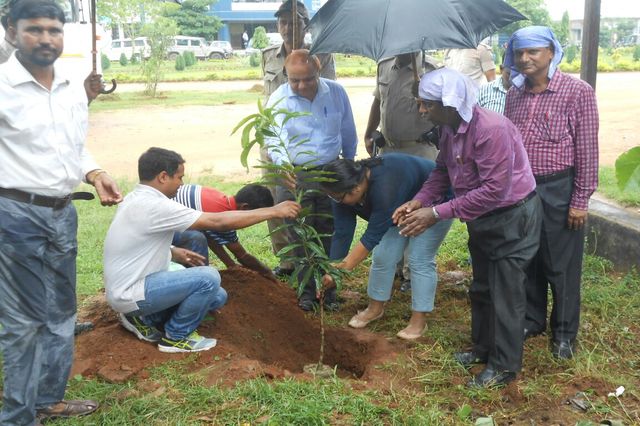
Land, water and forests are the three most important resources for the people living in rural areas. Intensive work is carried out by S.K.A.V.S. in enhancing the quality of life and improving environmental resistance to drought through effective land, water and forest management practices. Communities recognize the fact that sustainability of natural resources will also determine sustainable livelihoods for themselves. S.K.A.V.S. supports village communities in undertaking sustainable management of natural resources through a variety of interventions in promoting community forestry and horticulture, land and water conservation and development. Our work in this sector is concentrated in the tribal-dominated areas of Nala block of Jamtara districts. Since 1995, S.K.A.V.S. is also the Project Implementing Agency (PIA) for watershed projects funded under schemes of Government of India in Nala block, in the drought-affected district of Jamtara.
Integrated Watershed Development Program
This integrated project envisages for all-round development of the micro watershed area. Its implication would go a long way in ameliorating the economic condition of poor people living within the micro watershed area besides enriching the groundwater resources. This watershed for integrated and sustainable development of watershed area which comprises the part area of Bando, Kamrajpahari & Bhogikala of Garia panchayat of Nala Block under the district of Jamtara of Jharkhand state.

Prototype Plan
Eight units of Prototype Plan, Five in under ‘Messo Area’ Jamtara Dist., Three in under ‘Mada Area’ Giridih Dist. and 2 units in Dumka District was allotted to work on “Jal Sangraha & Bhumi Sudhar Samitee” in ten villages each in the cluster. In each block, a committee was formed to work execute & supervise the scheme concerned. All the schemes of each village are passed in general body meeting. The six schemes as Land Leveling, Microlift, Bari well, Low-land well, Water Harvesting Scheme & Earthen Dams are to be constructed and followed up programs are to be strictly in practice so that, the aim and objective of the scheme to be achieved.
Dairy Development
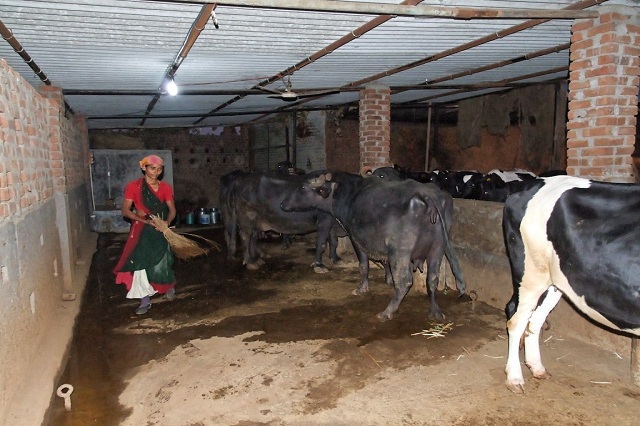
Under the livelihood program, we have also taken the ‘Dairy Development’ Scheme. In this program, 2 milk yielding cow & two calves to each beneficiary are distributed in 4 blocks ie Jamtara, Narayanpur, Fatehpur & Karmatar in Jamtara District. 150 ‘ST’ families are benefited from this program. We have provided a cowshed to every beneficiary. We have also established 2 DCS building as milk yard and training etc.
Horticulture & Timber Plantation Programme
We have successfully completed several ‘Horticulture & Timber Plantation Program’ in the state of Jharkhand. At first, we survey the proposed area and select interested & active beneficiary from poor lower backward or ST families. Then plantation lands are selected from nearby uncultivated barren land. Then the selected lands are protected by a trench which also helps to store rainwater from nearby areas.
As a source of water wells are dug in the nearest low land of the plantation area. As per requirement in the sloppy land contour bounds are formed to prevent soil erosion. Mulching is also done in various plantation areas. Several training sessions are arranged regarding pit digging, manuring, watering system, merits of organic manure, etc. We also provide those beneficiaries vegetable seed and manure/fertilizer for intercropping in between fruit and timber plants. This system of plantation ensures their income in short-term (in the form of vegetable production), mid-term (in the form of fruit production) and long-term (in the form of timber production) basis.
Homestead Backyard Poultry & Duck Farming
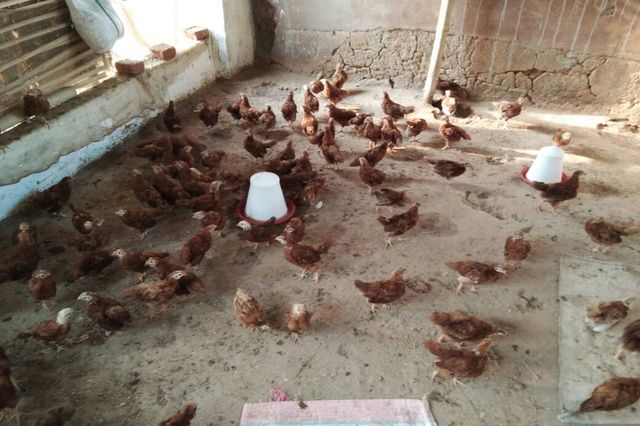
Under the livelihood programme, we have taken ‘Homestead Backyard Poultry Farming Scheme’. As per project norms we have selected beneficiary from 90 ST families within the proposed area. After that, we have built farm shade for poultry production. After this, we will distribute chicks to the beneficiaries. The training programme also arranged time to time regarding poultry farming system, disease control, marketing, etc.
Garden Development
We have developed a new garden in the Combined Building premises & Circuit House premises at Jamtara. The proposed area was dry and full of stone & sand. The land was not leveled and waterlogging was a genuine problem.
After getting an approval of our submitted ‘design & specified scope of work’ within the allotted budget we replaced the total top layer of the land with the mixture of soil & dry cow dung. After leveling & creating proper slope for drainage we fenced the total area with a live hedge. There we planted various types of ornamental plants,
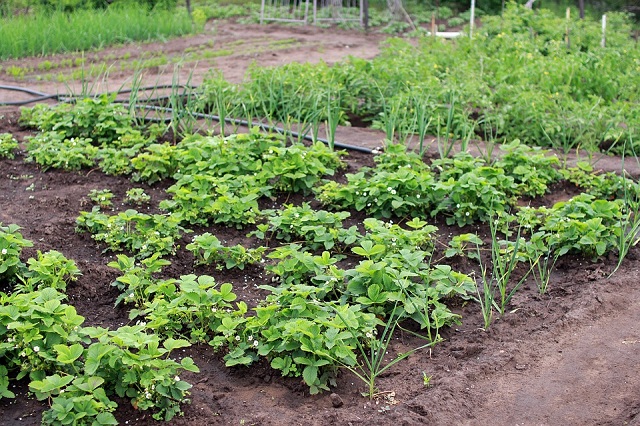
Palm trees, cycas, pinus & dwarf flowering trees. The remaining land is covered with carpet grass. We have constructed decorative pavement into the garden. To enhance the green beauty we have also constructed fountain into the garden. In the backyard portion of the area varieties of fruit plants are planted. The garden changed the environment of the area.
Women Empowerment
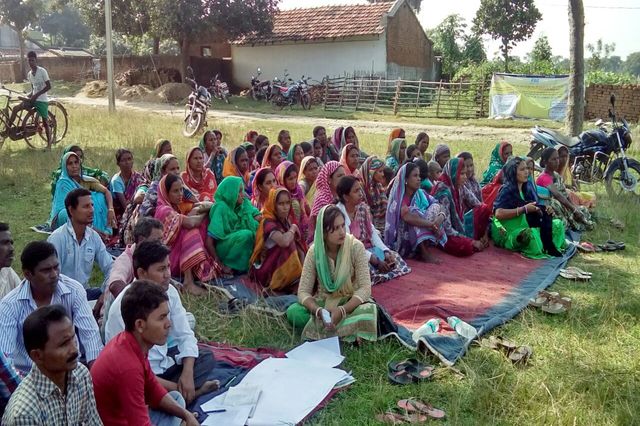
Microcredit activities through the formation of self-help groups (SHG) work as a vehicle for economic and social empowerment of tribal women. SHGs have saved women from exploitation in the hands of moneylenders, provided them with alternative income sources, enhanced their sense of dignity and raised their social status by facilitating their active participation in the process of local self-governance. SHG formation has strengthened trust and mutual help in the community and empowered women to take collective initiatives on important socio-economic issues. While in urban slums women SHGs have jointly taken up business ventures, in tribal areas they have fought against liquor trade, deforestation and worked for women’s rights.
Vanbandhu Kalyan Yojana
In the last year, we have promisingly run several livelihood programs under Vanbandhu Kalyan Yojana in various districts in the state of Jharkhand. In the district Jamtara & Godda, the specific livelihood program was duck farming. In the district Dumka & Pakur the livelihood program was poultry farming and in Sahebganj district we have run piggery. In every program, beneficiaries were from needy tribal families. At first basic training was provided to the beneficiaries regarding the food habit, disease control, general management & ultimately about the economic benefit from the particular farming. In this process we have constructed a small farm
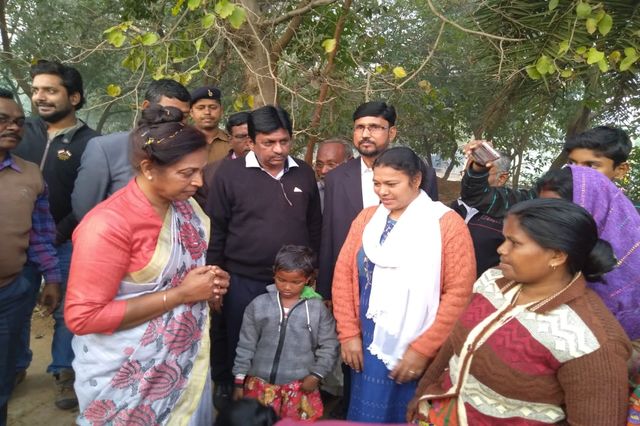
for every individual & farming type of equipment were also provided to them. We had engaged our experts & field workers for systematic follow up. We have also linked them to the markets for selling of the end products i.e. egg or meet. Thus the projects achieved their targets for the socio-economic development of the beneficiaries.
Jharkhand Academy run by S.K.A.V.S.
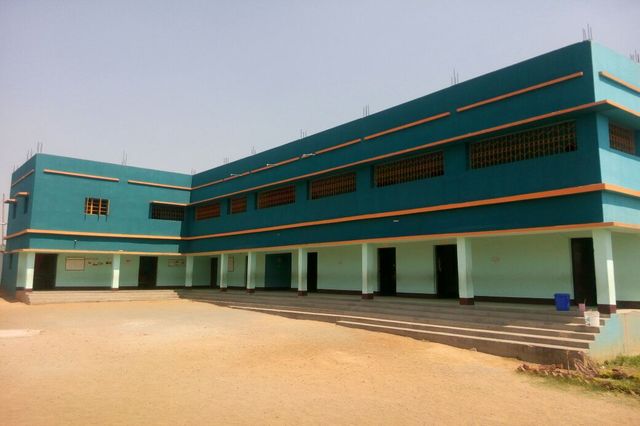
We are running this school with CBSE affiliation at Kharni, Gobindpur, Dhanbad and its’ branch at Piyalsola, Mihijam, Jamtara. There we give education from nursery to class VIII. Along with mainstream education, we also provide them computer knowledge, drawing tutorial, yoga, sports & other physical education, etc. We organize health check-up of students on regular basis arrange parents meeting to run the school in a disciplined way.
Residential School
Sidhu-Kanhu Alpsankhyak Vikas Samitee runs one residential school for tribal and minority children, at Gandey block of Giridih district where they live and learn together under the care of teachers residing at the school. The good performance of the children in academic and co-curricular activities has increased the demand for places, however, space and teaching staff constraints have limited enrolment. Apart from education, children get exposure to various co-curricular and extracurricular activities through participating in block, district and state-level events and by undergoing training. The schools provide some other essential supports, such as health check-ups by both government doctors and staff, and in 2011 eighteen such check-ups were organized.
Health and Awareness Program
According to the World Health Organization “the combination of safe drinking water and hygienic sanitation facilities is a precondition for health”. Mainstream health interventions concerned with disease prevention or cure focus primarily on tertiary health care without relating to the impact of bottlenecks such as lack of infrastructure i.e. roads, water, sanitation, housing etc which have a significant bearing on accessing health care and overall quality of life.
Sanitation Program
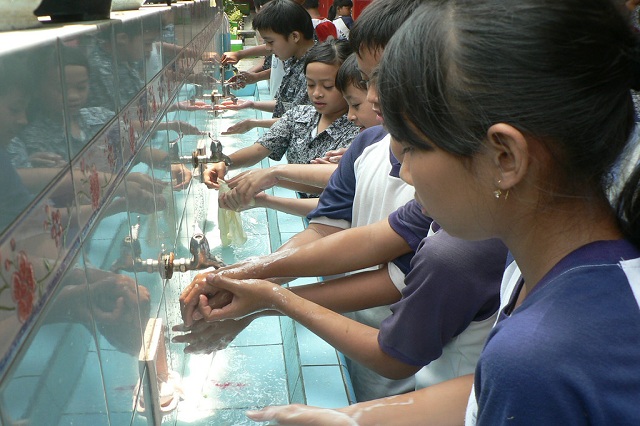
Sidhu-Kanhu Alpsankhyak Vikas Samitee works from the premise that access to safe water and improving sanitation practices is the first step towards better health. The water and sanitation program is generally the first activity undertaken in any new village. From proportionate representation of all to cost-sharing to 100% inclusion, the water and sanitation program is a powerful, value led and health focussed entry point for community development. In a context where over 80% of diseases are waterborne, Sidhu-Kanhu Alpsankhyak Vikas Samitee chose to act through inclusive water and sanitation as an entry point intervention. This has developed into a powerful tool to tackle health issues – especially mother and child health while spinning off activities on livelihood in the villages.
Prevention and cure of Malaria & Diarrhoea Activities
Malaria persists as a plaguing disease endemic to most tribal areas and Sidhu-Kanhu Alpsankhyak Vikas Samitee continues to work on prevention and early detection using rapid diagnostic tests. At present 95% of malaria is of the PF+ve type, which affects the brain. The consequence of a cerebral attack of malaria can be very dangerous unless treated early. This year, staff also embarked on trials for malaria cure through cultivation of a shrub called Artemisia Annua. By processing the plant, the extract can be used as an effective antidote for malaria. This trial involves monitoring the frequency and severity of incidences to evaluate the efficacy of the herb in curing or preventing malaria.

Group Insurance (Jan Shree Yojna)
As a social security measure, ensuring lives provides families with some assurance of stability in the event of a family tragedy. Sidhu-Kanhu Alpsankhyak Vikas Samitee collaboration with the National Life Insurance Corporation (LIC) to provide low premium life insurance cover for the rural population seeks to ease the worries and burdens of poor families. In 2011 the initiative to provide the rural poor with insurance coverage gained momentum, and this year 1587 households, that is 1671 individuals have taken micro insurance coverage through the Sidhu-Kanhu Alpsankhyak Vikas Samitee partnership with LIC.
Consumer Awareness Programme
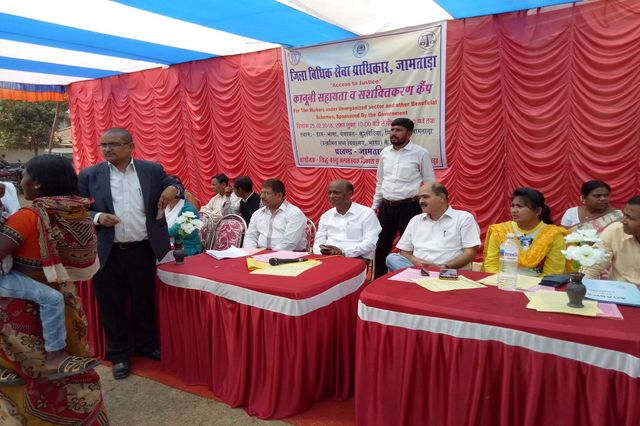
The Organization launched the Consumer Awareness Programme sponsored by the District supply office in Nala Block in all the panchayat covering 53 villages. About 549 consumers were made aware of the ‘Annapurna Yojna’ and ‘B.P.L. Yojna’, Distribution of Kerosene Oil, Iodized Salt and L.P.G. cylinder under ‘Jan Vitaran Pranali’ scheme. For this programme, Commissioner of Dumka sanctioned Grant Rs. 10,400.
Saras Mela
The organization sent its team of artisans at different places of the country and the team held the exhibition of its products in Goa, Delhi and Ranchi.
Capacity Building Program
The values of equity, inclusion and sustainability not only underscore all Sidhu-Kanhu Alpsankhyak Vikas Samitee human and institutional development activity but are drivers for efforts in relation to developing community and organisational capacity and capability. The entire community can benefit from building knowledge and awareness, while specific groups such as rural youth are the target of skills training, and leadership. This personal development builds not only skills but also confidence and often form the foundations for future community initiatives. Last year, for example, there were 33 leadership training programs that are
attended by 1028 participants, and more than half of those attending were women. Within Sidhu-Kanhu Alpsankhyak Vikas Samitee too there is encouragement and support for development and growth. Formal training on work-related topics are available and opportunities to network with peers and managers happen throughout the year to ensure knowledge is shared across the organization.
Last year almost 80 training sessions were organized. Often these training sessions focus on current ‘hot’ topics to keep staff up to date, for example, in the past 12 months training on legislation such as RTI and FRA was attended by almost all staff. For those who are new to Sidhu-Kanhu Alpsankhyak Vikas Samitee, there are formal introduction training sessions, many facilitated by senior staff members followed by extensive supervised field visits to current projects. In addition, the managers and project coordinators meet every two months to share updates and learning; twice a year these meetings expand to review progress and plan for the months ahead. Following last year’s strategic workshop, the senior managers worked together throughout this year to formulate detailed strategic project plans, ensuring the experience and learning was shared by involving some less experienced managers.
Foundation Day of S.K.A.V.S.
June 30 marks the Foundation Day of S.K.A.V.S. Every year community representatives and staff come together at the main office of S.K.A.V.S. for 2-3 days to celebrate the event. This was celebrated with a great sense of community participation and enthusiasm. There were over 200 participants in the two-day event. Staff teams discussed the strategic plan of S.K.A.V.S. The event was an opportunity to gain a common understanding of the vision, mission and strategies of S.K.A.V.S. The event was also an opportunity to showcase the talents of staff in cultural events and sports.